
What the Luddites Actually Wanted (And What Title Can Learn From Them)
July 9, 2026 · Alex Weeks · Industry Perspective, Title Industry
“Luddite” is the laziest insult in the technology business. We use it to mean someone who fears or fails to understand new technology — which is almost exactly backwards from what the actual Luddites were. And the real history has more to teach a title company owner rolling out AI in 2026 than most of the vendor content being written about change management.
What Actually Happened in 1811
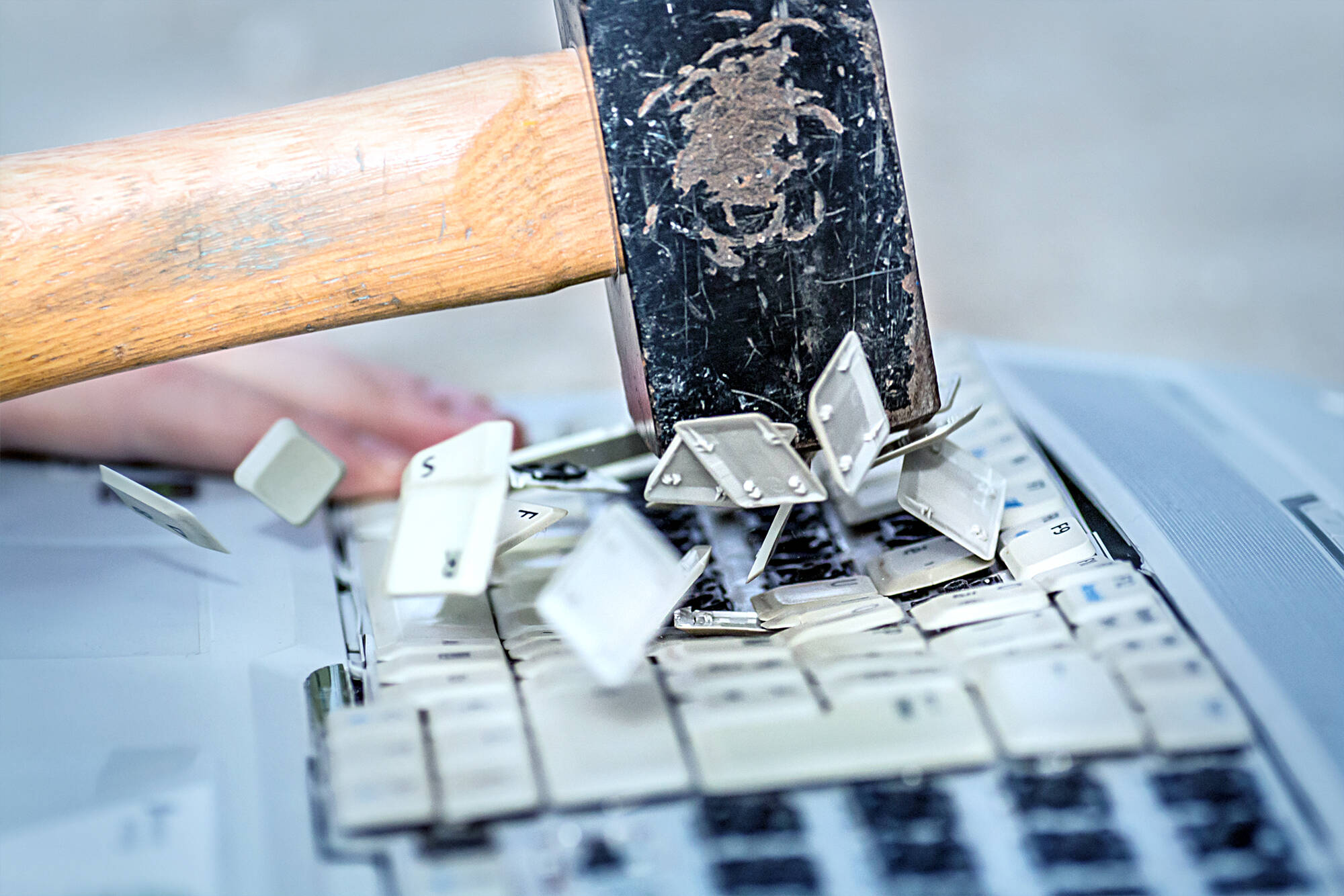
The Luddites were not confused peasants swinging hammers at the future. They were the skilled elite of the English textile trades — croppers, stockingers, weavers — men who had spent seven-year apprenticeships mastering work that paid well precisely because it was hard to do. When they broke machines in Nottinghamshire and Yorkshire between 1811 and 1816, they were selective about it. They broke the frames of manufacturers who used the new machinery to slash wages and flood the market with shoddy goods — the “cut-ups” that debased the product they’d spent their lives learning to make well. Frames run by manufacturers who maintained wages and quality were, in a number of documented cases, left alone in the same workshop.
That’s not technophobia. That’s a labor negotiation conducted by people who had been denied every other channel — petitioning Parliament had failed, and organizing was literally illegal under the Combination Acts. The machine-breaking wasn’t the point. It was the only leverage left. What they wanted was mundane: a say in how the transition happened, a share of the gains, and standards that kept the work worth doing. They didn’t get it. Parliament made frame-breaking a capital offense and hanged men for it, the transition happened on the owners’ terms, and it took a generation or more before textile workers’ living standards recovered.
Your Examiners Are Not Afraid of the Machine
Now look at how AI is landing in title offices. The most experienced people in the building — examiners with twenty years of judgment, closers who can smell a bad file — are watching automation arrive, and the industry keeps diagnosing their skepticism as fear of technology. It isn’t. These are people who mastered difficult work, who watch AI vendors demo tools that do a shallow version of that work, and who notice that every executive conversation about the technology is a conversation about headcount. They aren’t afraid of the machine. They’re afraid of being cut out of the transition — which is a rational fear, historically well-founded, and completely different from the thing we keep pretending it is.
And here’s what should actually worry you as an owner: your examiners are the only people in the building who can tell you whether the AI is wrong. The Luddites’ deepest objection was that the machines produced cut-ups — goods that looked right and weren’t. If that doesn’t describe the failure mode of a bad AI title search, I don’t know what does. The skilled worker’s eye for the difference between looks-right and is-right is precisely the asset you need most during the transition, and the alienated version of that worker takes the eye with them when they leave.
Run the Transition the Owners of 1811 Refused To
The playbook that follows from taking the history seriously is short. Give the new tools to your most skilled people first — not to a separate “automation team” that reports around them. Let the gains show up somewhere the team can see: work off the plate, files per examiner without the overtime, and yes, compensation — if the tool makes an examiner 40% more productive and none of that reaches them, they will correctly read the roadmap. Put your best people in charge of judging the output, formally, so the message is “your judgment is the standard the machine is measured against” rather than “the machine is the standard you’re measured against.” And say out loud what the tools are for, because in the absence of a stated plan, every smart employee assumes the plan is headcount.
Two hundred years later, the machinery won and nobody remembers what the croppers were actually asking for. But the owners who ran the transition brutally didn’t outperform the ones who didn’t — they just left more wreckage. The technology was inevitable. The way it was introduced was a choice. It still is.